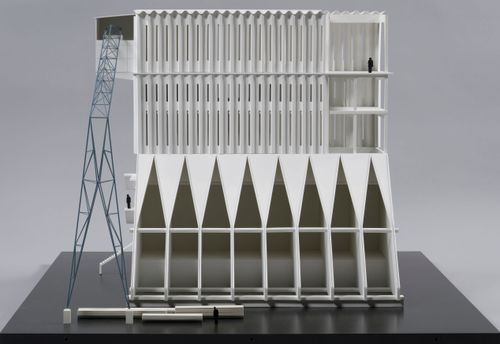
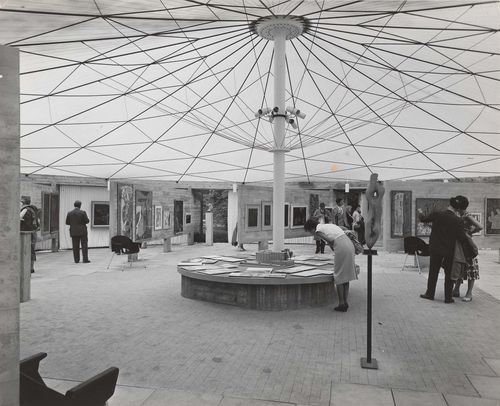
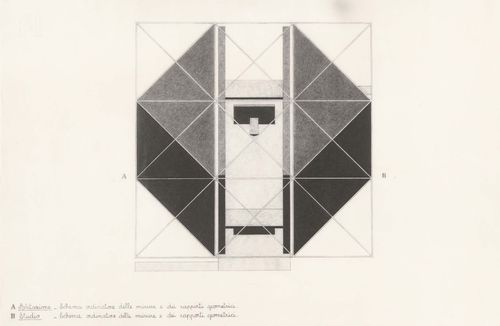


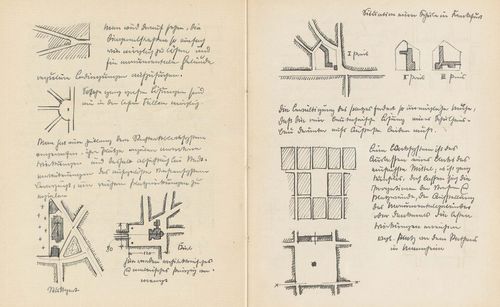
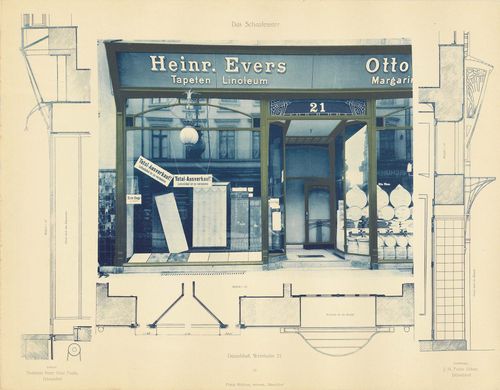

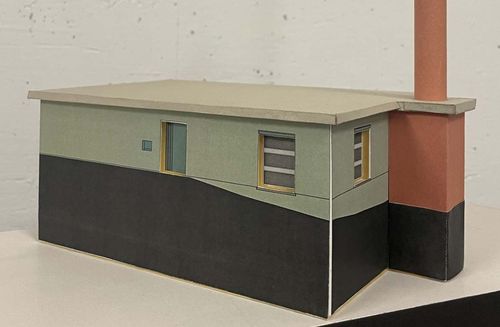
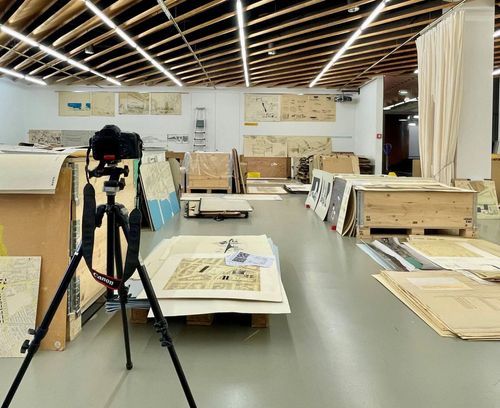
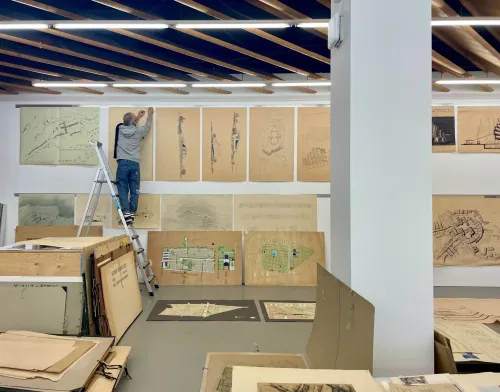

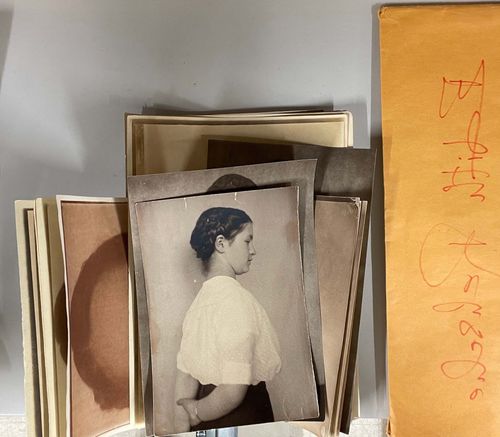
As the “the privileged site where evidence can be found”, as notably described by the Aggregate collective, the archive is a key site in the construction of historical narratives. The archive is not only a privileged site in terms of accessing evidence, but also in terms of collecting it; it is the privileged site into which certain types of knowledge converge. Not entirely, yet overwhelmingly, archives record the opinions and actions of people in power: those with the education, means, and motivation to amass and to keep, sometimes at great personal effort, evidence related to their activities – political, profession, intellectual or otherwise. Formed by impulses to collect and record, all bequests are driven by hidden agendas. Ideals, such as the common good and preservation of public knowledge, are often, implicitly, doubled up by more profane motivations: ambition, sense of self-worth, the vision of securing the preservation of one’s traces. In dealing with archival absence, we imagine an alternative, imaginary archive, where forgotten words and erased deeds are restored to knowledge; where unseen or concealed actions are exposed to the light of historical reckoning. Drawing upon concrete examples from the gta Archive, this paper discusses the accidents and strategies towards building up an archive of resilience: of people and sometimes of things recovered, deliberately or by coincidence, from historical erasure.
Do., 19. Feb. 2026
10:00 Uhr
Keynote
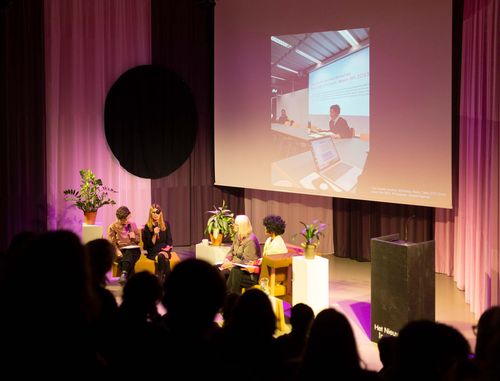
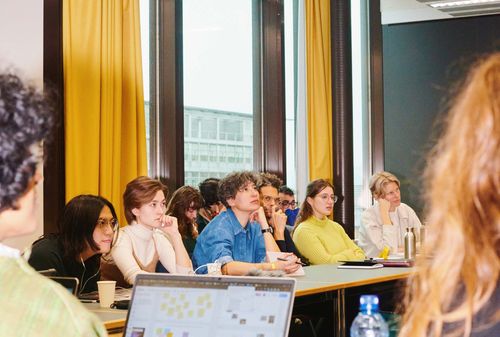
Keynote by PD Dr. Irina Davidovici as part of "Unarchiving Architecture", Workshop and Symposium organized by the Chair of Architecture Heritage and Sustainability, Prof. Mariam Issoufou